
Solar Energy Explained: How It Works and Why It Matters
Solar energy is a clean, renewable power source that transforms sunlight into electricity. As one of the most sustainable energy solutions available, solar power plays a vital role in reducing environmental impact, strengthening energy independence, and fostering economic growth.
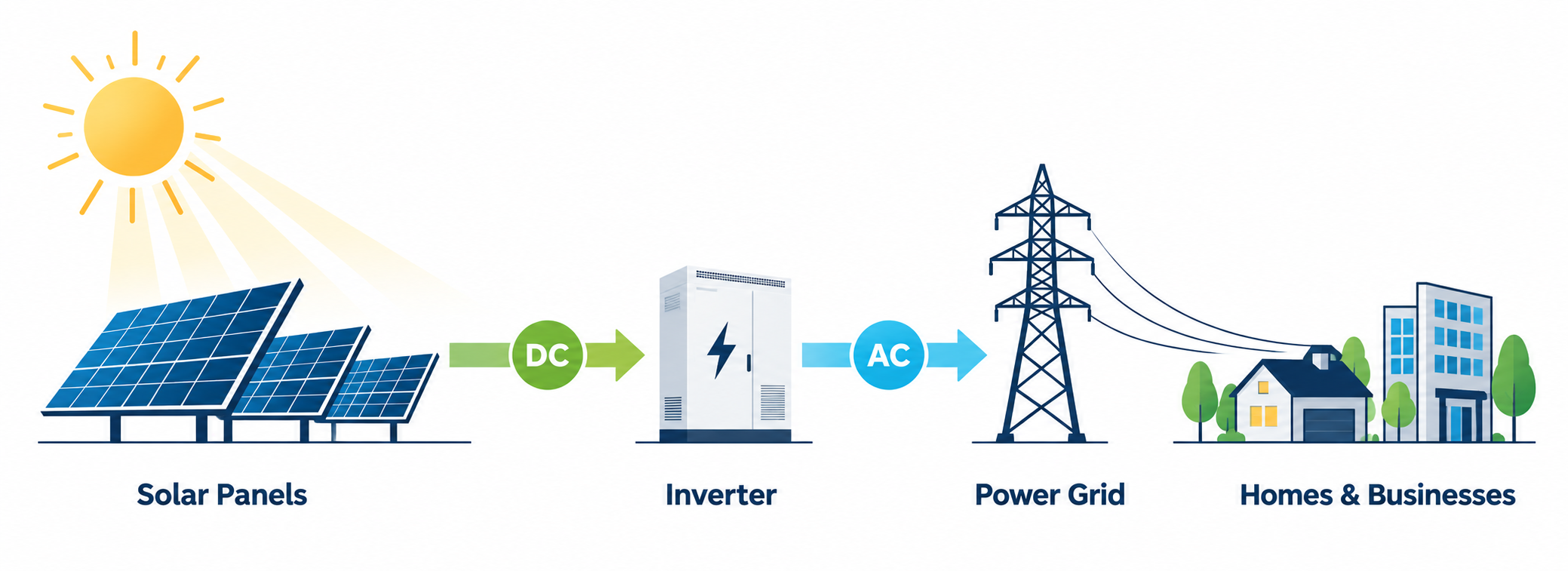
Sunlight Absorption
Every day the sun rises, providing free and reliable fuel for solar panels to absorb and convert into “direct current” (DC) electricity.
Energy Conversion
An inverter transforms DC electricity into alternating current (AC), the type of power used in homes, businesses.
Grid Integration
The electricity goes into the shared power grid, where it is distributed to meet energy demands in nearby communities.
Why solar?
Solar plays in important role in a strong and diversified energy grid to meet rising energy demand in Illinois and across the United States.
- Low-cost electricity: Solar is one of the lowest-cost ways to make new electricity for the grid. It uses no-cost, local sunshine instead of physical fuels, which may be subject to global price swings.
- Clean air and water: Solar energy produces no emissions, helping to reduce air pollution.
- Reliable and abundant: Every day, the sun rises and we have a dependable source of electricity.
- Economic Growth: Solar projects create jobs, generate local tax revenue, and support businesses throughout the supply chain.
Utility-Scale Solar: Power at scale
Unlike community solar-scale projects, utility-scale solar projects like Gemini Solar connect to the grid’s high-voltage transmission system and operate at a large scale. As a result, these projects can:
- Provide clean energy to hundreds of thousands of homes and businesses.
- Maximize efficiency and cost-effectiveness with advanced technology and economies of scale.
- Provide meaningful, substantive local community benefits and philanthropic measures.
- Help private property owners protect their land from urban sprawl while earning reliable long-term income.
Preserving healthy land
Leasing land for solar allows family farmers to repurpose a portion of their acreage while earning reliable income and keeping their property in the family for future generations.
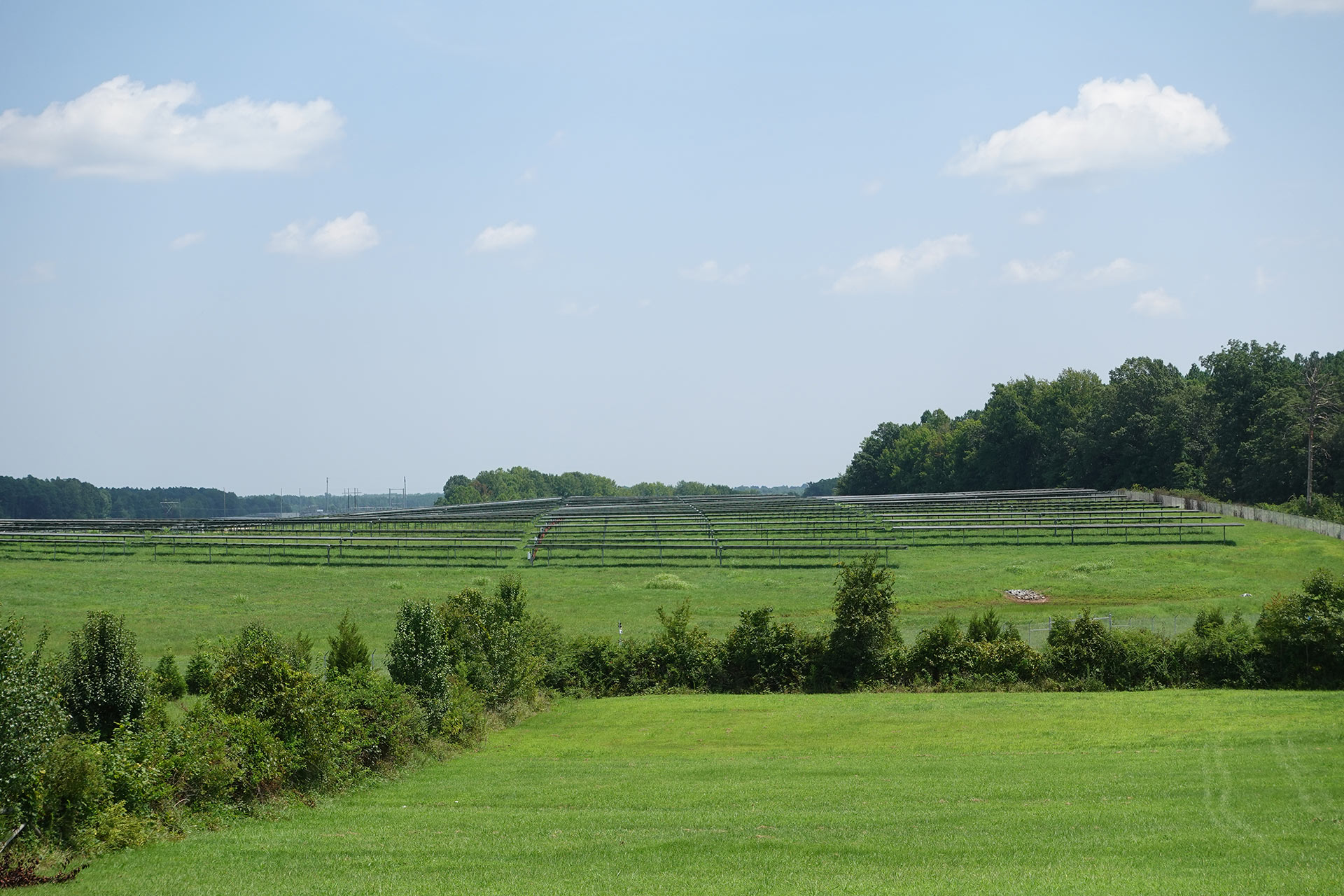
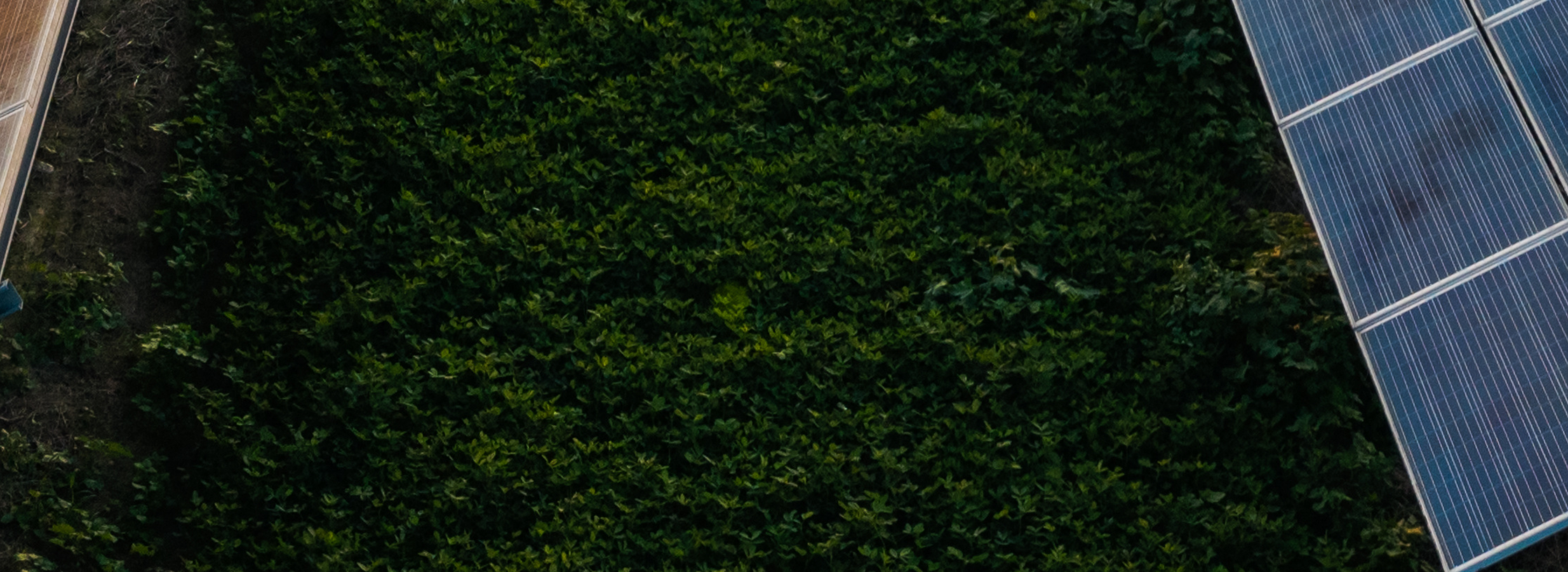
Solar farms are a temporary land use, generating electricity for several decades while letting the soil rest. During construction, topsoil is separated and preserved, and then replaced above subsoil in the topsoil’s original depth and contour. During operations, native grasses and pollinator-friendly plantings grow under the panels to preserve a living ground cover and healthy topsoil across the site. Once the panels reach the end of their lives, the equipment can be removed to return the land to farming or another use of the landowners’ choice.
Solar FAQs
1Can solar panels be recycled?
Yes. Glass, aluminum, and silicon—the primary components of a panel-- can all be recycled at the end of their life. Owner/operator Clearway Energy works with trusted solar panel recyclers to properly dispose of any panels, keeping solar equipment out of the landfill.
2Are solar panels made in America?
Domestic solar manufacturing has grown exponentially in the United States within the last few years, driven by a national push to on-shore American energy supply chains. Clearway partners with major American suppliers to source solar panels, racking systems and other materials for our sites, in compliance with current trade laws.
3Does Illinois have enough sunshine to support reliable solar?
Yes. Illinois is a rapidly growing solar market because its climate is well suited for solar generation. Solar facilities produce electricity year-round and help meet the state’s growing energy needs.
4Do solar panels make noise?
Solar panels create no noise at all. Inverters and transformers typically have a low hum like an HVAC system, but can only be heard close to the equipment and usually not beyond the fence line. If a project is a tracking system, then the panels and racking will move throughout the day, but again the amount of noise produced is minimal and typically not heard by surrounding areas.
5Why do farmers put solar on their land?
Our partnering landowners are electing to temporarily rest their fields, completely voluntarily, as is their right. These leases bring in stable income every year, no matter the weather or crop prices. They can make a huge difference for farmers wanting to keep their farm in the family, protecting it from permanent forms of development.